

The growth of a cultural institution is measured not only by the number of programmes it conducts but also by the standards, networks and credibility it develops over time. For Vikram Kumar B R, popularly known as Bathina Vikram Goud, institutional development has been an important part of his larger contribution to Indian classical arts.
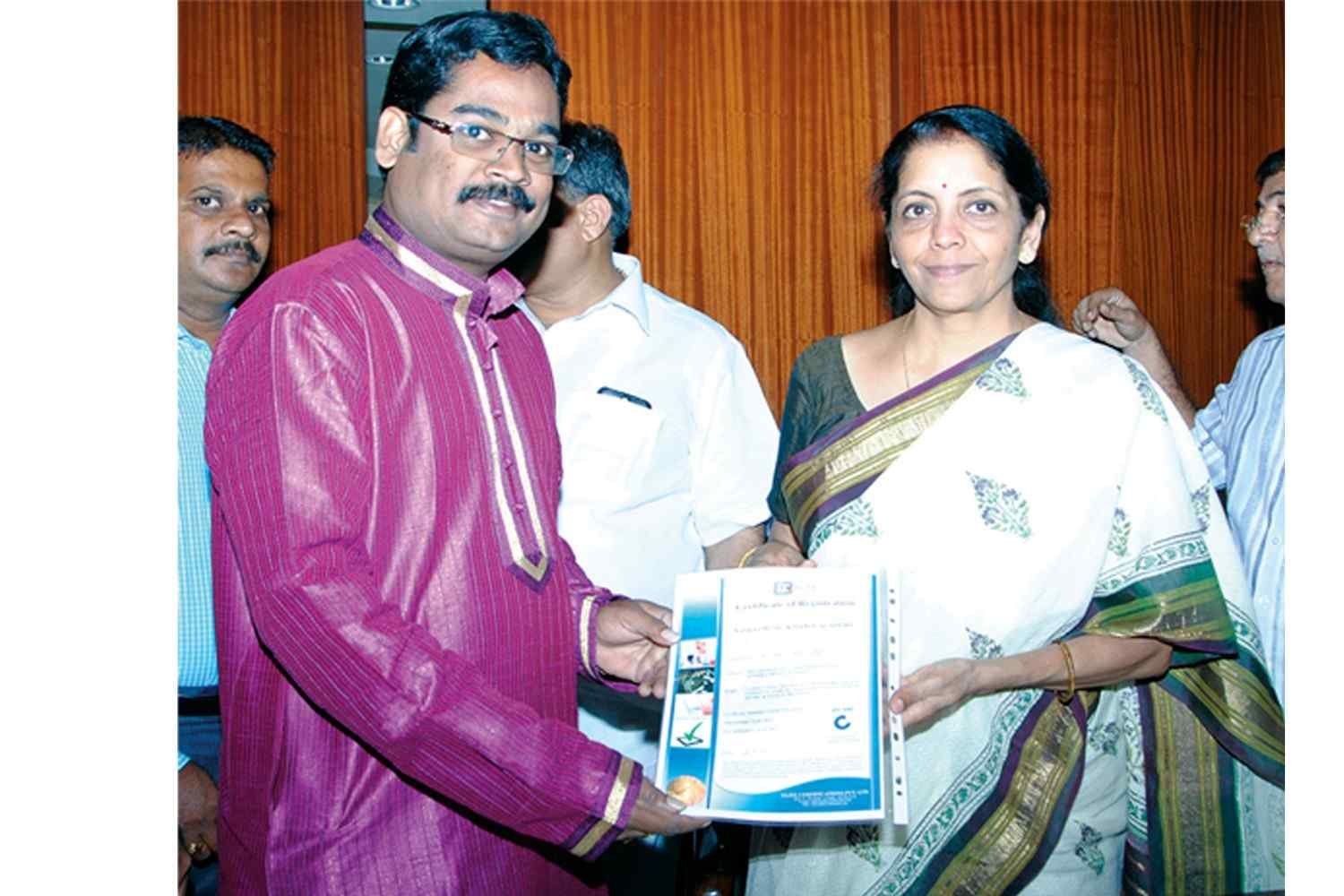
The Nataraj Music and Dance Academy (NMDA), founded by Vikram Kumar in 2000, has developed as a cultural organisation involved in education, performance, festivals, workshops, seminars and artistic exchange. Its journey has also included institutional milestones such as ISO 9001:2008 certification and membership of the International Dance Council (CID) at UNESCO.
These associations have added another dimension to an academy whose activities are focused on Indian classical and traditional performing arts.
Creating an Organised Cultural Institution
NMDA was established with the objective of providing a dedicated platform for cultural service.
Vikram Kumar’s own experience as a Kuchipudi artiste, choreographer, theatre practitioner, researcher and cultural organiser influenced the development of the academy.
Rather than restricting its activities to one form of artistic training, NMDA has worked across several areas.
The academy provides training in Kuchipudi, Indian folk traditions, Indian classical music and instrumental music. It has also conducted competitions, workshops, seminars and cultural programmes.
This broad range of activities requires an organisational structure capable of handling education, event management, artist coordination and public cultural programming.
The Significance of ISO Certification
The academy’s ISO 9001:2008 certification is one of the institutional milestones associated with its development.
ISO certification is generally connected with structured quality-management practices. In the context of an arts organisation, such an approach can encourage greater attention to consistency, planning, documentation and organisational processes.
For an institution involved in multiple cultural activities, systematic administration can be particularly valuable.
Festival organisation, training programmes and cultural events require coordination among artists, teachers, students, technical teams and audiences.
An institutional quality framework can therefore complement the creative side of cultural work.
For Vikram Kumar, the development of NMDA reflects the idea that artistic organisations should combine cultural passion with professional administration.
Joining a Global Dance Network
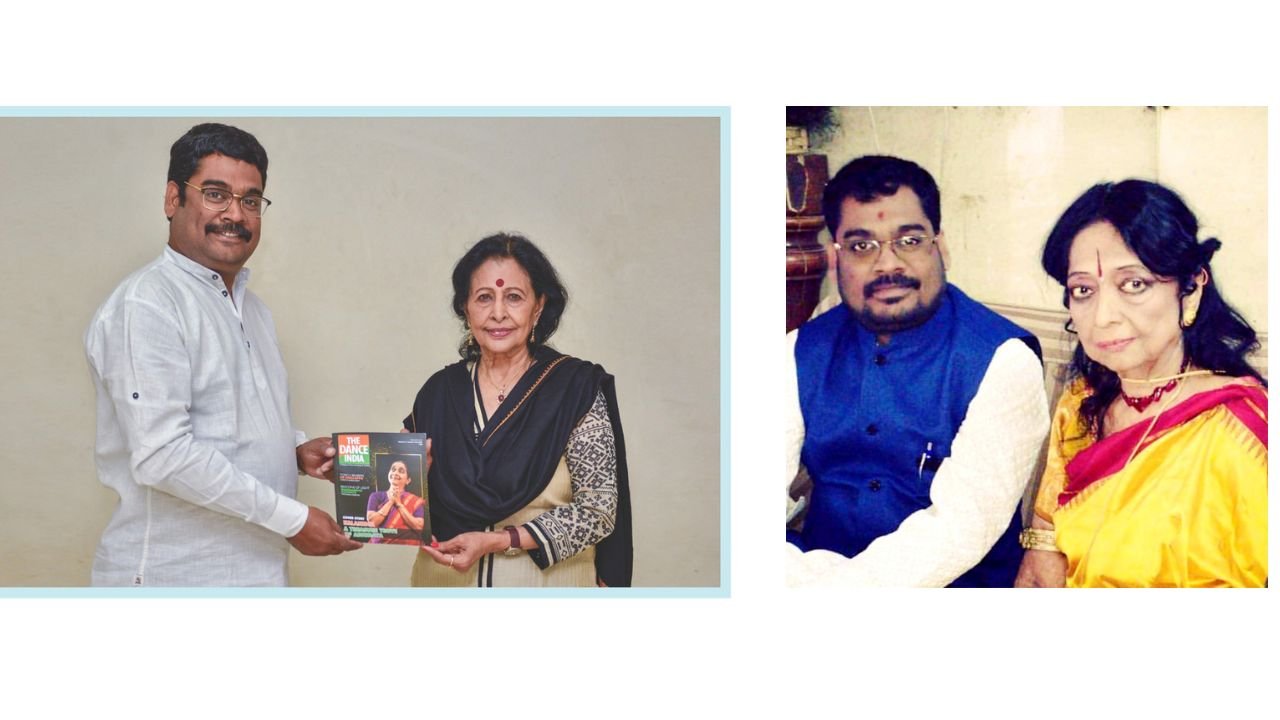
Another important milestone in NMDA’s journey has been its membership of the International Dance Council (CID) at UNESCO.
The International Dance Council provides an international network for people and organisations involved in dance.
For an Indian institution working primarily with classical and traditional arts, participation in an international dance network creates opportunities for cultural interaction beyond regional boundaries.
It places Indian dance within a broader global conversation involving different dance traditions, practitioners and cultural communities.
Indian Classical Arts on an International Platform
Indian classical dance forms have developed over centuries, with distinctive techniques, repertoires and performance traditions.
However, international visibility requires organised platforms through which artists and institutions can interact with audiences and practitioners from other cultural backgrounds.
Vikram Kumar’s cultural activities have repeatedly focused on creating such platforms.
His involvement in festivals and international initiatives complements NMDA’s institutional connection with the wider dance community.
The objective is not simply to present Indian dance abroad but also to encourage cultural dialogue and exchange.
Linking Tradition With Professional Standards
The combination of cultural heritage and institutional standards is significant.
Classical arts are deeply rooted in tradition, but organisations promoting them operate in a modern environment.
They need to manage registrations, schedules, communication, documentation, artist participation, publicity and event logistics.
Vikram Kumar’s approach has sought to combine respect for traditional artistic systems with organised institutional practices.
This balance can help cultural organisations remain relevant while continuing to protect the identity of the traditions they represent.
Training the Next Generation
One of NMDA’s continuing functions has been the training of young practitioners.
Classical dance requires long-term discipline. Students must develop physical coordination, rhythm, expression and knowledge of repertoire.
The academy’s training activities are complemented by opportunities to participate in cultural events.
For young artists, such exposure can help transform classroom learning into practical performance experience.
It can also introduce them to a wider cultural environment where they can observe senior artists and interact with other practitioners.
Festivals as Institutional Outreach
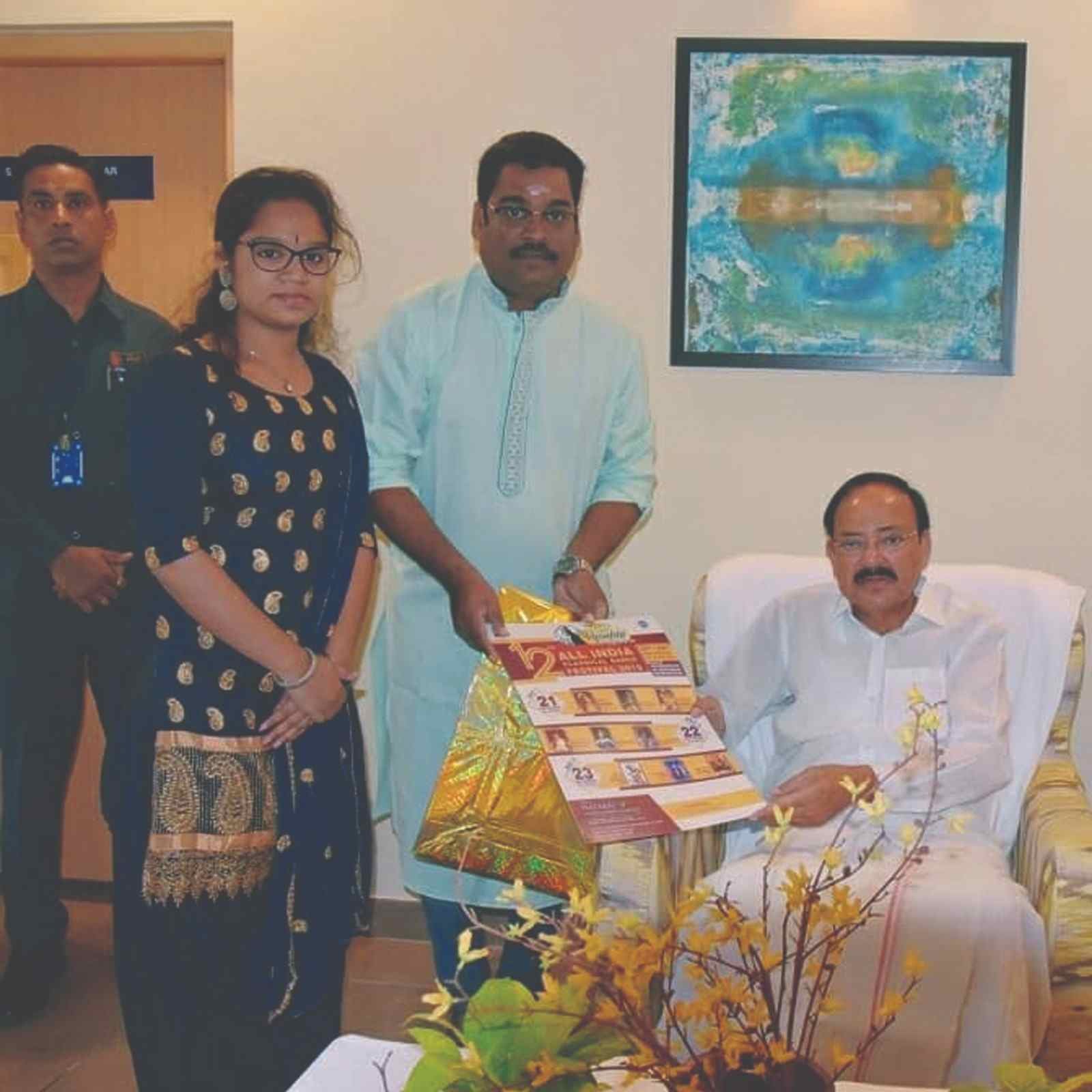
NMDA’s institutional activities have expanded through a range of festivals.
Among the initiatives associated with Vikram Kumar are Vysakhi Nrithyotsav, Bharat Nrithyotsav, Nataraj Nrithyotsav, Naatya Tharang Sangeeth Nrithyotsav, Sathyabhama Yuva Nrithyotsav, Jathis Music & Dance Festival and Amaravathi Nrithyotsav.
These platforms have different objectives.
Some focus on bringing established classical dancers together, others encourage emerging talent, while some seek to take performances to different cities and audiences.
Together, they illustrate how an academy can expand from classroom-based education into a wider cultural service network.
Encouraging Cultural Exchange
The presence of senior and emerging artists within the same festival ecosystem creates opportunities for cultural exchange.
Young performers can learn from established masters, while experienced artists can encounter new generations of practitioners.
Such interaction is important for traditional art forms because knowledge is not always fully transferable through written material alone.
Performance, observation, mentorship and direct artistic interaction remain valuable parts of classical arts education.
Protecting Cultural Knowledge
Vikram Kumar’s institutional philosophy also extends to documentation and preservation.
He has emphasised that preserving Indian classical arts means protecting more than physical movements.
Repertoire, music, literature, choreography, performance practices, biographies of gurus and the contributions of individual artists all form part of the cultural knowledge system.
Institutions can help preserve this knowledge by organising programmes, publishing material, recording performances and creating opportunities for artists to share their experiences.
A Broader Understanding of Cultural Responsibility
The institutional journey of NMDA reflects a broader understanding of what cultural responsibility means.
For Vikram Kumar, promoting Indian classical arts involves several interconnected tasks.
Artists need platforms. Students need training. Audiences need exposure. Researchers need access to information. Cultural organisations need sustainable structures.
When these elements work together, preservation becomes a continuing process rather than a one-time celebration.
From Local Institution to Wider Cultural Network
NMDA’s journey also reflects the expansion of Vikram Kumar’s own cultural activities.
His work has moved across performance, choreography, theatre, academic research, cultural journalism and festival organisation.
The academy provides an institutional base that supports this wider engagement.
Its festivals connect artists across regions, while its educational programmes focus on developing new practitioners.
Its international association provides an additional connection with the global dance community.
The Importance of Institutional Credibility
For cultural organisations, credibility can influence the confidence of artists, students, audiences and cultural partners.
The academy’s ISO certification and CID membership are therefore significant elements of its institutional identity.
They represent an effort to develop a structured organisation while remaining rooted in India’s classical and traditional artistic heritage.
For Vikram Kumar, professional institutional practices and cultural preservation are not competing objectives. They can work together to strengthen the long-term sustainability of the arts.
Preparing Classical Arts for the Future
The challenges facing classical arts are changing.
Digital media has expanded access to performances but has also raised concerns about artistic ownership, authenticity and documentation.
Young people have more entertainment choices than ever before, making sustained engagement with traditional arts increasingly important.
Cultural institutions therefore have a role in creating meaningful opportunities for young people to learn and participate.
NMDA’s training, competitions, festivals and workshops form part of this effort.
A Continuing Institutional Journey
The story of Nataraj Music and Dance Academy is ultimately a story of institution building.
Founded in 2000 by Vikram Kumar B R, the academy has grown into a cultural platform supporting education, performance and artistic exchange.
Its ISO 9001:2008 certification reflects an emphasis on organised institutional processes, while its International Dance Council membership at UNESCO connects its work with a wider international dance network.
Together, these milestones represent the development of an institution seeking to serve traditional arts through modern organisational structures.
For Vikram Kumar, the objective remains larger than institutional recognition. It is about creating an environment in which Indian classical and traditional arts can be taught, performed, documented, exchanged and passed on to future generations.
In that sense, NMDA’s institutional journey forms an important chapter in his broader mission to strengthen the cultural ecosystem surrounding Indian classical arts.