
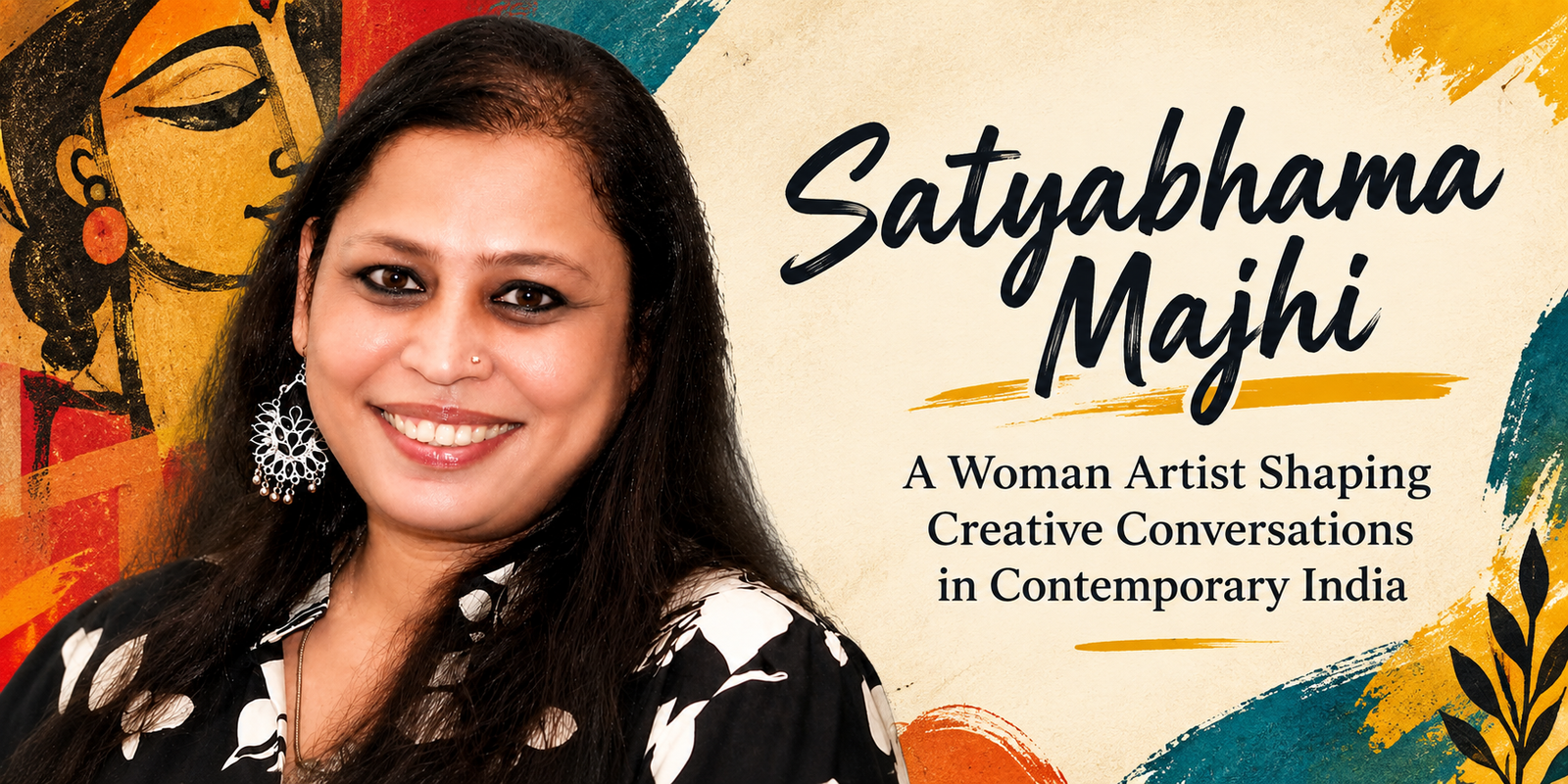

Art education plays an important role in helping children understand the world around them. Beyond learning how to draw or paint, creative education can encourage observation, imagination, confidence and independent thinking. For contemporary Indian artist Satyabhama Majhi, art education has been an important part of her wider cultural and community-based practice.
Alongside her career as a visual artist, curator and community art practitioner, Majhi has spent many years working with children and educational communities. Her approach to teaching art emphasises observation, personal experience and imagination rather than mechanical copying.
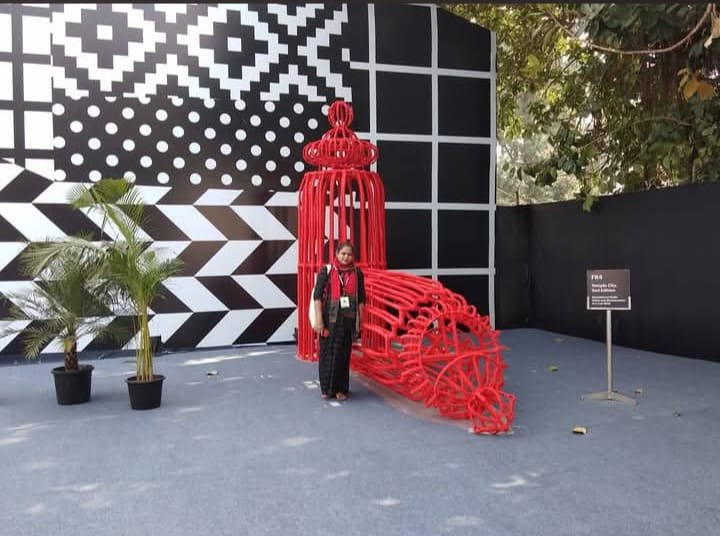
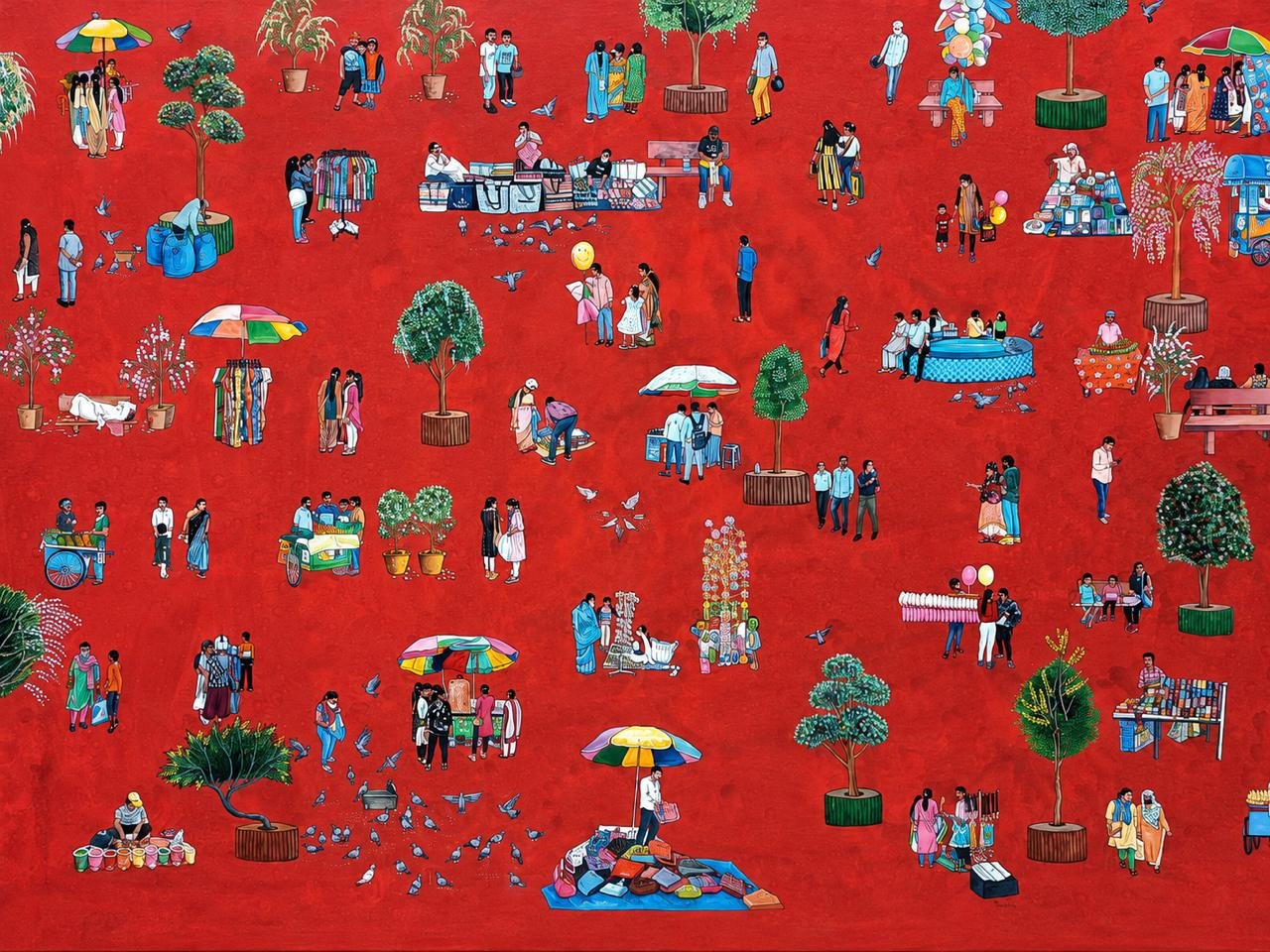
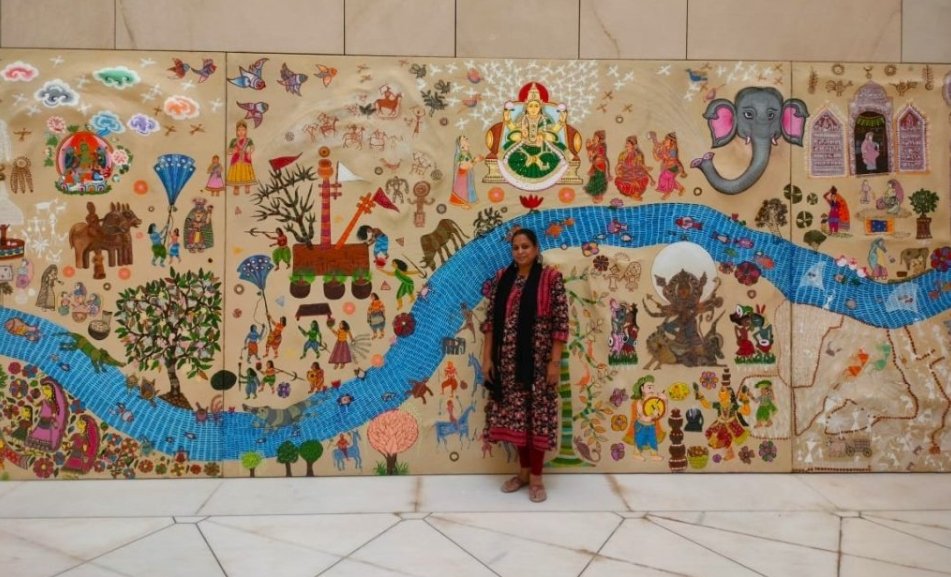
Based in Bhubaneswar, Odisha, Majhi’s artistic practice includes painting, sculpture, installation, photography, mixed media, public art and community projects. Her experience across different artistic forms has also influenced her approach to education, where creativity is understood as a process of discovery.
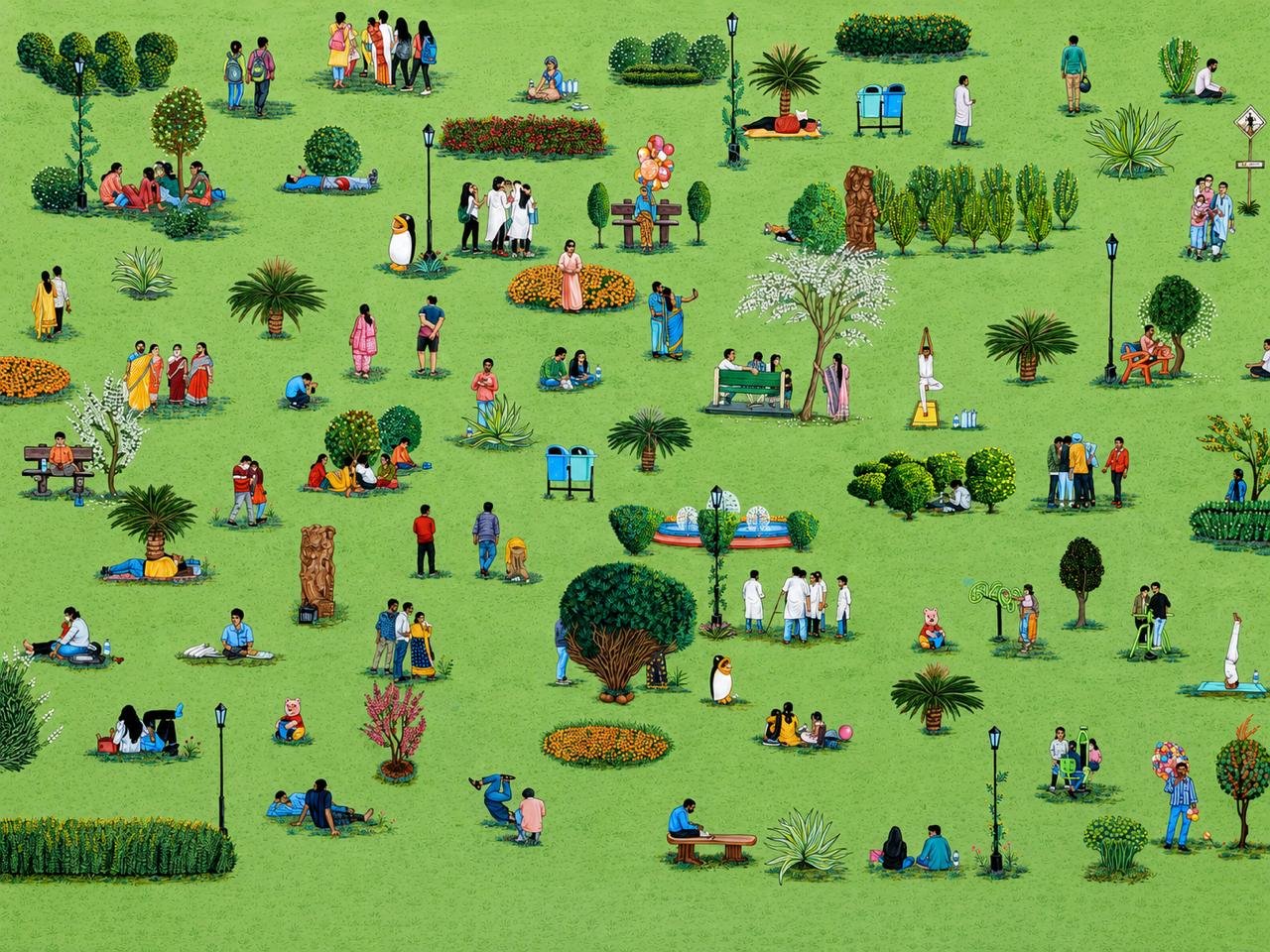
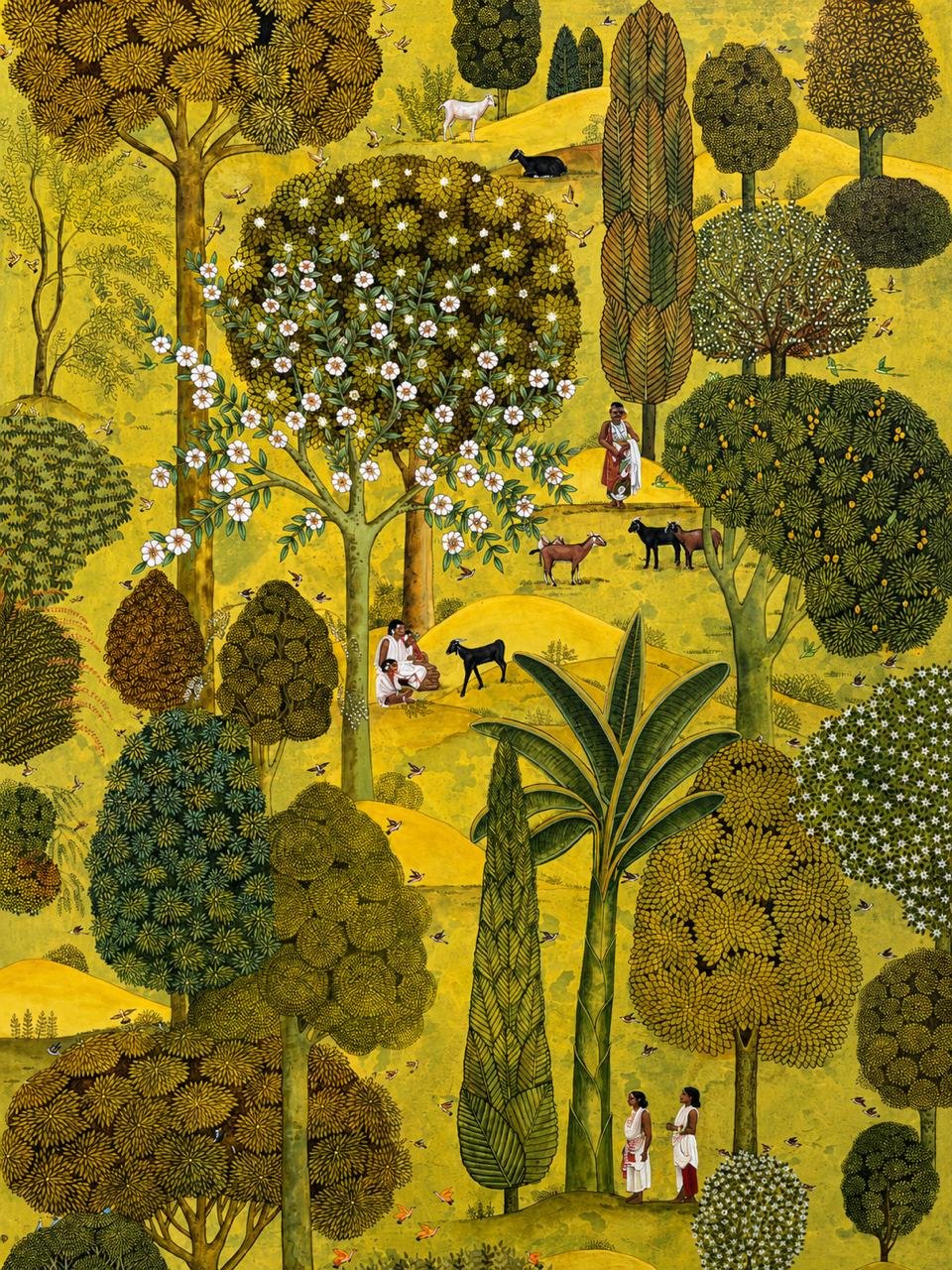
More Than Learning to Draw
Art education is often misunderstood as simply teaching children how to make attractive drawings.
However, meaningful art education can involve much more.
It can teach children to observe carefully, express emotions, remember experiences and develop their own visual language.
Majhi’s approach reflects this broader understanding.
Instead of encouraging children to copy standard images repeatedly, her teaching philosophy focuses on helping them explore subjects connected with their own lives.
A child’s personal experiences can become valuable artistic material.
Observation as the First Step
One of the central principles of Majhi’s educational approach is observation.
Children are surrounded by visual experiences every day, but they do not always stop to examine them carefully.
A tree may be seen every day without being closely observed. A family member may perform a familiar activity without the child noticing details. A street, animal, market or festival may become part of routine life and gradually disappear from conscious attention.
Art can change this.
When children are asked to draw from observation, they begin to look more carefully at the world around them.
This process can develop curiosity and visual awareness.
Drawing From Personal Experience
Majhi encourages children to use their own experiences as creative inspiration.
Subjects may include household activities, village journeys, festivals, trees, animals, family memories and everyday surroundings.
These subjects are familiar to children, which makes them powerful starting points for artistic expression.
Instead of searching for an artificial or complicated idea, children can discover that their own lives already contain stories worth expressing.
This approach also gives each child the freedom to produce something different.
Two children may observe the same environment but remember and interpret it differently.
Art becomes personal.
Moving Away From Copying
Copying is a common practice in many forms of children’s art education.
Students are sometimes asked to reproduce the same drawing, colour within fixed outlines or imitate an example provided by a teacher.
While technical exercises can have educational value, excessive dependence on copying can limit imagination.
Majhi’s approach places greater importance on independent observation and expression.
The goal is not for every child to create the same image.
Instead, children are encouraged to think, remember and make their own decisions.
This can help develop confidence in creative thinking.
The Importance of Imagination
Observation and imagination are not opposites.
A child may begin by observing something real and then transform it through imagination.
A familiar tree may become part of an imaginary landscape. A village journey may become a visual story. A festival memory may inspire unusual colours and forms.
This combination of reality and imagination is an important part of artistic development.
Majhi’s educational work encourages children to understand that art does not always require one correct answer.
Different interpretations can be equally meaningful.
Art as a Language
Children do not always express their experiences easily through words.
Art provides another language.
Through colours, lines, shapes and images, children can communicate memories, emotions and ideas.
This makes creative education particularly valuable.
A drawing can reveal what a child notices in the world around them. It can show which details are important to them and how they understand familiar environments.
Majhi’s emphasis on personal experience allows this visual language to develop naturally.
Connecting Children With Their Environment
Her educational approach also creates a connection between children and their surroundings.
When children are encouraged to draw familiar places and experiences, they begin to recognise the importance of their environment.
A local tree, market, festival, village road or family activity can become worthy of artistic attention.
This process can strengthen awareness of cultural and environmental surroundings.
Children learn that creativity does not exist only in distant museums or famous artworks. It can begin at home, in a neighbourhood or during an ordinary journey.
Cultural Memory and Young Generations
Art education can also play a role in preserving cultural memory.
Traditional practices and everyday experiences often change from one generation to another.
When children draw festivals, family activities, local environments and community experiences, they create visual records of the world they know.
These images may carry elements of cultural memory.
Majhi’s work with children therefore connects with her broader artistic interest in culture, memory and identity.
The younger generation is encouraged not simply to inherit traditions but to observe and reinterpret them through their own creativity.
Art Workshops as Shared Spaces
Art workshops create opportunities for collective learning.
Children can observe how others approach the same subject differently. They can share materials, ideas and experiences.
This helps them understand that creativity is not a competition to produce one perfect result.
Different perspectives can exist together.
Majhi’s experience in conducting workshops and educational activities has allowed her to work with groups of children from different backgrounds and environments.
These experiences reinforce the idea that art can become a shared cultural space.
Learning Through Experimentation
Experimentation is another important part of creative education.
Children should have opportunities to try different materials, colours, textures and techniques.
Mistakes can become discoveries.
A colour combination that initially appears accidental may lead to an interesting visual result. A line drawn without planning may suggest a new form.
This freedom encourages children to take creative risks.
Majhi’s own multidisciplinary artistic practice provides a strong foundation for this approach. Because her work includes different mediums, she understands that ideas can develop through experimentation rather than always following a fixed plan.
Art Education and Confidence
Creative expression can help children develop confidence.
When children are allowed to make independent artistic choices, they learn to trust their observations and ideas.
A child who is repeatedly told that there is only one correct way to draw may become hesitant.
A child who is encouraged to explore different possibilities can develop greater confidence.
This confidence may extend beyond art.
The ability to observe, imagine and make decisions can contribute to broader learning and personal development.
The Role of the Teacher
In Majhi’s approach, the role of an art educator is not simply to demonstrate techniques.
The teacher can become a guide who encourages curiosity.
Instead of providing every answer, the educator can ask questions.
What do you remember about this place? What colours do you see? How would you draw this experience? What happened during this journey? What do you notice about this object?
Such questions encourage children to think independently.
The classroom becomes a place of exploration rather than repetition.
Connecting Education With Community
Majhi’s educational work also connects with her broader community practice.
Children are part of communities, families and cultural environments.
When they create art based on personal experiences, their drawings can reflect the larger world around them.
This makes art education connected with community life rather than isolated from it.
Schools and workshops can become spaces where local stories and experiences are given creative expression.
Creativity in a Digital Age
In today’s increasingly digital environment, children encounter a large number of ready-made images through screens, advertisements, games and social media.
This can make independent observation even more important.
When children rely only on existing digital images, they may become accustomed to reproducing visual material created by others.
Art education can offer an alternative.
By encouraging children to look directly at their surroundings and develop their own ideas, educators can help maintain originality and imagination.
Majhi’s emphasis on observation is therefore particularly relevant in contemporary education.
A Long-Term Commitment to Young Creativity
Over approximately fifteen years, Majhi has been associated with art education and creative engagement involving children.
This long-term involvement demonstrates that education is not a secondary activity within her career.
It forms an important part of her understanding of art as a social and cultural practice.
Her work with children complements her activities as an artist and community practitioner.
The same values appear throughout these different areas: observation, participation, cultural awareness and creative freedom.
Conclusion
Satyabhama Majhi’s contribution to art education reflects her belief that creativity begins with observation and personal experience.
Through workshops and educational engagement with children, she has encouraged young participants to move beyond copying and discover artistic inspiration in their own lives.
Trees, animals, family memories, festivals, journeys and everyday surroundings can all become meaningful subjects for creative expression.
Her approach demonstrates that art education is not only about producing skilled artists. It is also about helping children become more observant, imaginative and confident individuals.
By encouraging children to look closely at the world around them and express what they see and remember, Majhi contributes to a more meaningful understanding of creativity.
Her long-term work in art education ultimately connects with the wider philosophy of her artistic career: art belongs not only in galleries and studios but also in schools, communities, public spaces and everyday life.
Through this approach, Satyabhama Majhi continues to inspire creativity while helping young generations discover that their own experiences, memories and imaginations are valuable sources of art.